

Center of light
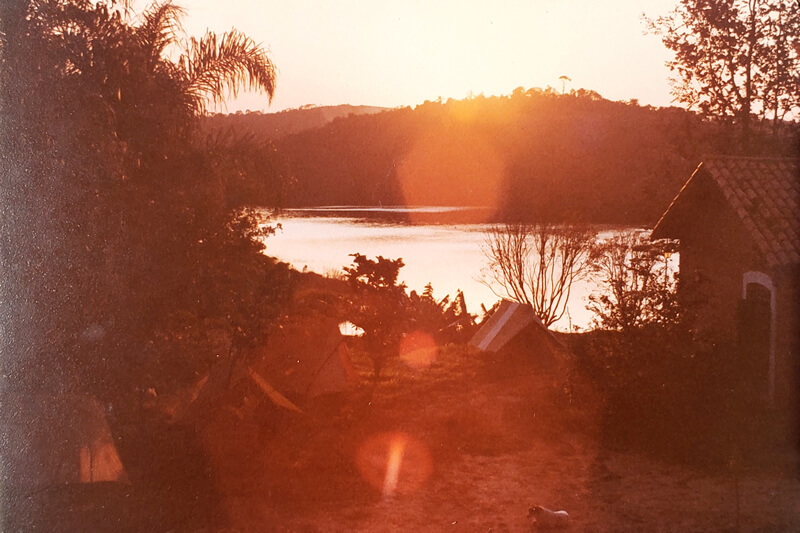
A group of 12 people, inspired by Trigueirinho (Brazilian filmmaker, researcher of perennial philosophies and spiritual leader), settles on the banks of the Atibainha dam, in Nazaré Paulista/SP. After receiving land on loan for 30 years, the group meets for a six-month spiritual retreat, begins the effective construction of the Center of Light, with the aim of creating a space for studies and practices of meditation and mindfulness, in order to expand human consciousness through self-knowledge, selfless service and group conviviality. The space is created with total independence of religious, philosophical or political orientations and, since its foundation, maintains as principles neutrality, simplicity, freedom from the idea of property and dogmas.
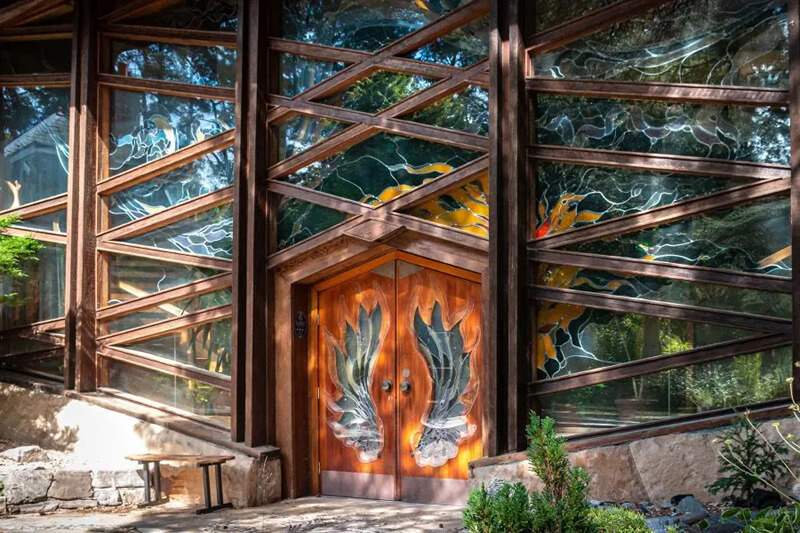
Previously, on a visit to the community of Findhorn (1981) in the north of Scotland, Trigueirinho met Sara Marriott (American writer and executive of the Girl Scout Movement of the USA, resident there for about 12 years). The two had been exchanging correspondence since then and, through letters, Trigueirinho invited Sara to participate in the construction of this Center of Light in Brazil.
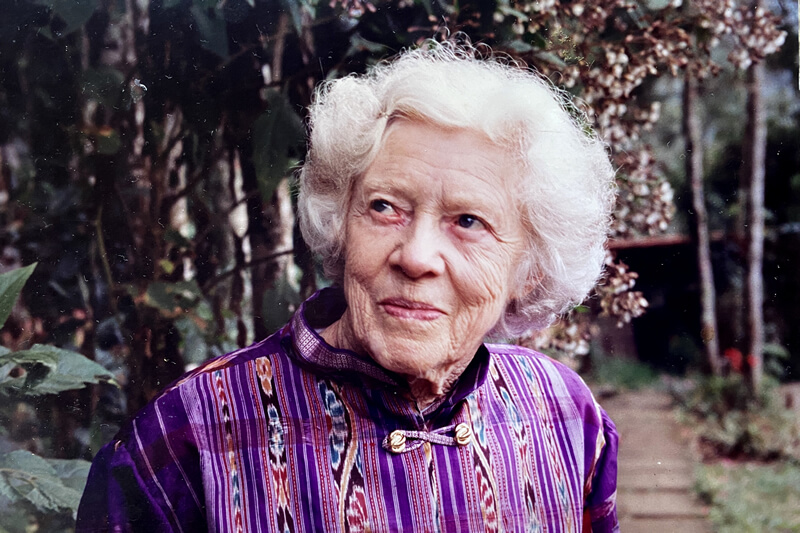
Sara Marriott arrived in Brazil on April 1, 1983 and stayed for a month with the group at the Light Center. At the end of 1984 and at the age of 79, Sara decided to leave Findhorn and came to reside in Nazaré. In this phase, the Center of Light is led by a more esoteric approach and grounded in the books by Alice A. Bailey, in a stoically disciplined way and with Trigueirinho’s mostly monastic and introspective tone. Sara Marriott's experience, grounded in her own meditative practice and contemporary New Age materials, brought elements of Findhorn that included activities with the circular sacred dances, the energy of the angels and devas of Nature, with an emphasis on group sharing and coexistence, supported by a sense of lovingly caring for everything. From the combination and communion of these two strands, the 'Spiritual Community' aspect of the work emerged and developed.
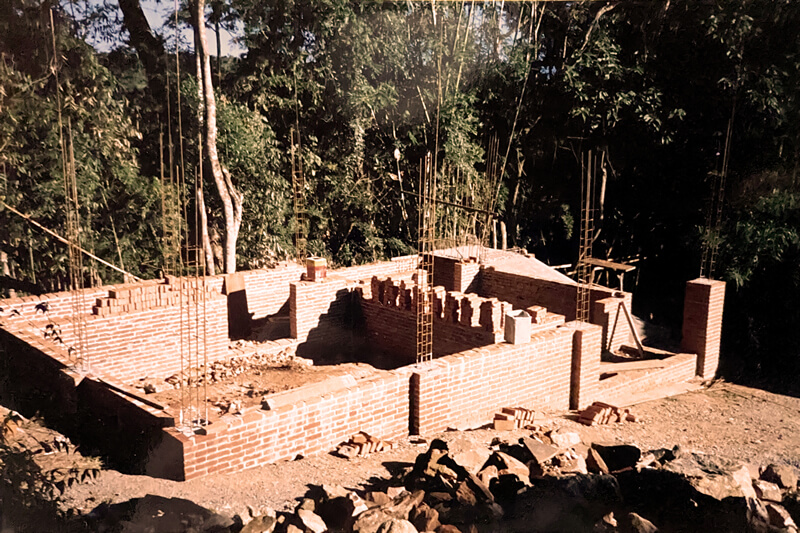
Through volunteer service and multiple donations, most of the existing buildings are already built. Voluntary and impersonal service, studies, meditative practices, activities in the different "classrooms" (gardens, kitchen, weaving, bakery, etc.) and care for nature promoted the expansion of consciousness and self-knowledge. The group of residents sustained and maintained all the activities carried out daily, with the support of guests and itinerant visitors. People from different parts of the world came to campus and stayed here because they were attracted to the purpose of the space. The group of residents was more strengthened and matured.
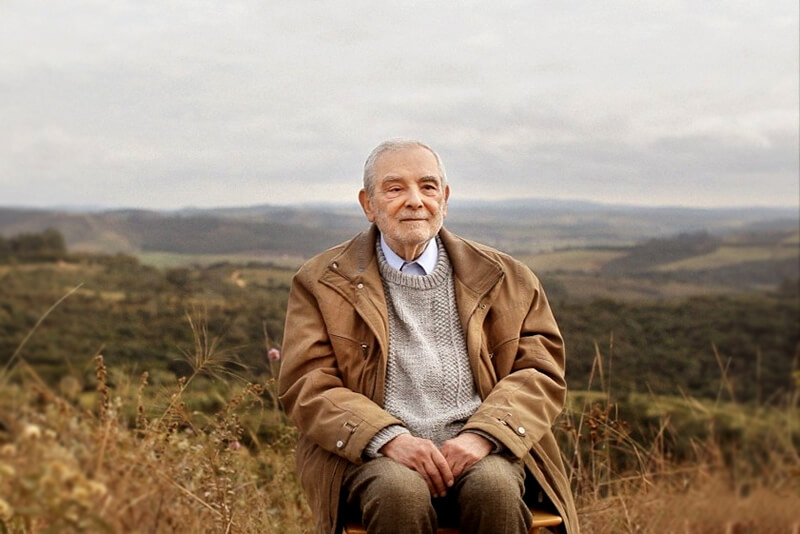
Trigueirinho realized that the experiment had undergone profound transformations and this coincided with the process of the group expressing its maturity, as well as the strengthening of group leadership. Therefore, he decided to create a program that would allow him to take time off work during the current year, to give lectures in Brazil and other countries. This served to give a new direction to his personal work and revealed that his leadership cycle with the group in Nazareth was complete. Still in this period, he decided to found Figueira (Minas Gerais), moving away definitively from Nazaré. Sara Marriott remained with the group of residents; she engaged in spiritually sustaining the space and supporting the new group direction in a less esoteric and monastic conduct, favoring the group's initiatives and its maturation, in this new context. Periodically, Sara provided meetings to share her spiritual journey with everyone who came to visit the space and attended to individual people.
Nazaré Experience Center
The Spiritual Community "aspect" developed fully during this decade, Nazaré legally became a non-profit association and continued to offer experiences focused exclusively on residents. At the end of this decade, with the purpose of offering experiences and workshops linked to the various areas of knowledge, as a response to a global opening focused on the spirituality characteristic of the 90s, the space opened to include facilitators from outside and gave way to the "aspect" called "Nazaré Experience Center". The Center continued to be supported by donations and spontaneous contributions from visitors seeking our program experiences and workshops, offered by on-campus resident volunteers and non-resident facilitators.
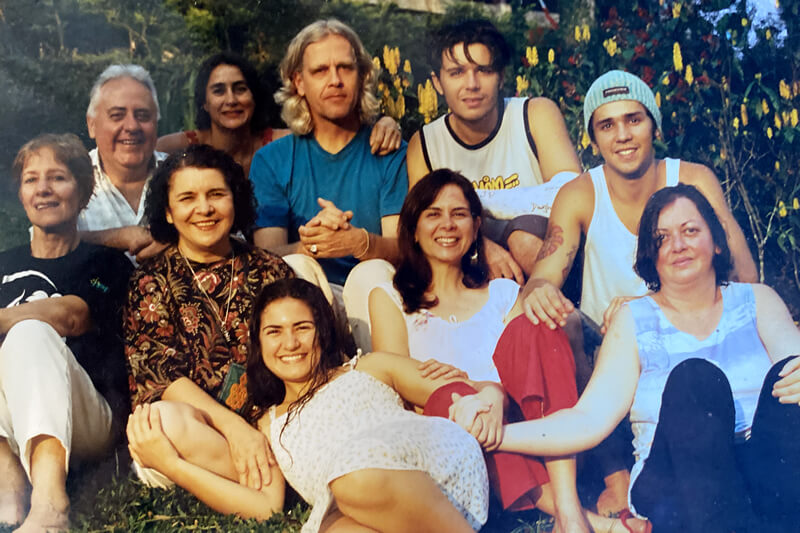
In April,1999, at the age of 93, Sara Marriott decided to return to the U.S. and a small group of residents remained in campus to sustain the work and programs.
Only from 1999 onwards, when similar philosophies and principles were already widespread throughout the country, inspiring dozens of related works, "Nazaré Experience Center" suffered a decrease in numbers of residents and there was a need to hire employees and, for the first time in its history, began to charge for experiences and stays.
The care with nature had always been present in the actions and projects of the space. Therefore, during the 90s, Nazaré Uniluz opened space to make way for IPÊ – Institute of Ecological Research, considered one of the largest environmental NGOs in Brazil, ceding it an area of 22 thousand m2 of land with buildings, in a lending system for fourteen years. IPÊ has grown and expanded its facilities, and is currently the owner of the area. http://www.ipe.org.br/ipe
Sara Marriott died in the USA in the year 2000 (November) at the age of 95 (1905-2000). Her candor and benevolence influence the space to this day and leaves nostalgia in those who lived with her (learn more about the importance of Sara Marriott for the space in the video below:) In this period, there is an evasion of residents and associates and Nazaré goes through a crisis of institutional identity. For this reason, in 2003, the first sketches of the University and the Immersion Program for temporary residence was created, a graduation that was born with the objective of attracting new residents to the campus, a program that exists to this day. In 2004, with the joint work of a large team formed by old members and new participants of the time, Nazaré University da Luz was born, with a new internal statute and a new institutional name.
Nazaré University of Light
The aspects Center of Light, Spiritual Community and Center of Experiences were integrated and transformed into Nazaré University of Light, qualified as OSCIP (Civil Society Organization of Public Interest). Its mission is to continue to be a pioneer school in the cultivation of a didactic development and integral education of the human being, offering courses and experiences focused on self-knowledge. Meditation, the practice of mindfulness and the rescue of universal and spiritual values in daily life are its didactic instruments. In addition, the Institution has fulfilled its social role through several projects:
– Growing with the Community (2004-2006) – a project of social responsibility, aimed at young people and their families living in the Bairro do Moinho where Nazaré Uniluz is located. It meant working with educators and social agents in the city of Nazaré Paulista and region, with the objective of promoting integral education for all involved, and offering courses and experiences aimed at self-knowledge; meditation, the practice of mindfulness and the rescue of universal and spiritual values in daily life were the didactic instruments. The project promoted arts workshops (handmade weaving, watercolor, clay modeling, theater and circular dances), nutrition (artisan bakery) and integral health (psychological care and naturist therapies) and trade fairs (encouraging the local solidarity economy). The objective was to promote the integral education of each individual in a group setting, and building paths to personal and socio-environmental sustainability, with the support of volunteers, campus faculty and the Municipality of Nazaré Paulista.

Nazaré Uniluz
Project for the recovery of riparian forests (2008-2010): Nazaré Uniluz was one of the entities chosen to participate in the project of the Secretariat of the Environment of São Paulo, which aims to reforest with native species the areas of permanent preservation of rivers and springs, thus restoring ecological processes and ecosystem services, in an area of approximately 35 hectares. More information on the website of the Secretariat of the Environment.
Ecovillage Meeting Project (2008-2010): initiatives for social, ecological and economic sustainability, not only in the life of sustainable human settlements, in Ecovillages, as well as in urban life, together with the movement called Cities in Transition. The 2008 meeting was attended by people who worked on the subject and also interested parties from various parts of the country, such as Ecovila Clareando, Instituto Visão Futuro, UNIFESP, Terra Una and several environmentalists. For years, the richness of these meetings has been in opening space for the perception of the common purpose that moves traditional and intentional communities as guardians of the Earth.
Education in human values with children (2010): This project was carried out in partnership with the Municipality of Nazaré Paulista; it provided the opportunity for 20 children from municipal schools to be in direct contact with nature, in the organic garden of the campus, as well as to develop a cooperative work in the bakery.
Project Weaving and Sewing with Life (2011): The project targets monitors and teachers from the Instituto Ser Cidadão, an organization in the city of Nazaré Paulista that works with young people and adults with special needs. People from the Institute received basic guidance on how to use manual weaving in their educational processes.
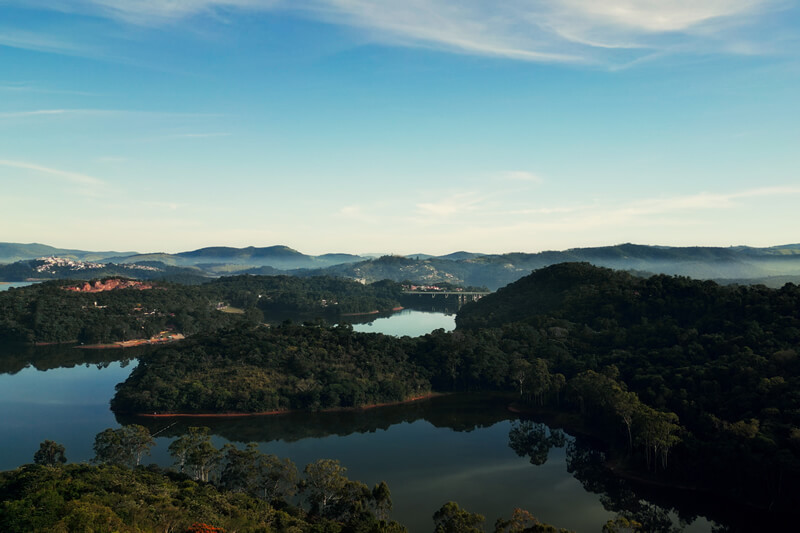
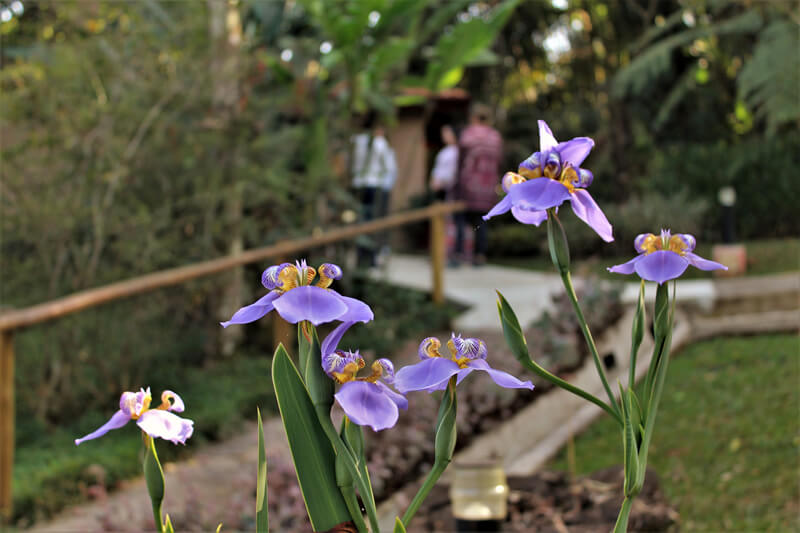
Today, Nazaré Uniluz offers courses, various training programs and postgraduate degrees and educational experiences to about 2,000 people per year. It has the continuous support of residents and volunteers, a group of associates, collaborators and employees who take care of their daily support activities. It has an area of approximately 50,000 m², with 14 buildings, a vegetable garden and a bakery that guarantee part of its subsistence with organic food; it is surrounded by native vegetation, typical of the Atlantic Forest, in the vicinity of the Serra da Mantiqueira, on the edge of the Atibainha River reservoir, in the Cantareira System. The University offers scholarships for its various courses and experiences and, from 2016 in a more systematic way, hundreds of people have benefited from them and thousands of $Reais have been invested to meet the needs of individuals and groups interested in self-knowledge.
Nazaré Uniluz continues to act socially through Volunteer Programs and Scholarships for training, courses and experiences. In 2016, more than 50 people benefited from an investment equivalent to R$61,217.00 and in 2017 the amount invested was R$120,360.00, benefiting 110 people. These social indicators are updated annually and published on our website.
Nazaré Uniluz continues to work within the framework of its mission, which is based on the integral development of the human being towards awareness of themselves and their interrelationship with the Whole. The University continues to be inspired by the idea that "small is beautiful" - (Small is Beautiful - E.F. Shumacher) - and always takes into account what is good, beautiful, true and sustainable for humanity and all beings in nature.
Nazaré Uniluz continues to work within the framework of its mission, which is based on the integral development of the human being towards awareness of themselves and their interrelationship with the Whole. The University continues to be inspired by the idea that "small is beautiful" - (Small is Beautiful - E.F. Shumacher) - and always takes into account what is good, beautiful, true and sustainable for humanity and all beings in nature.
